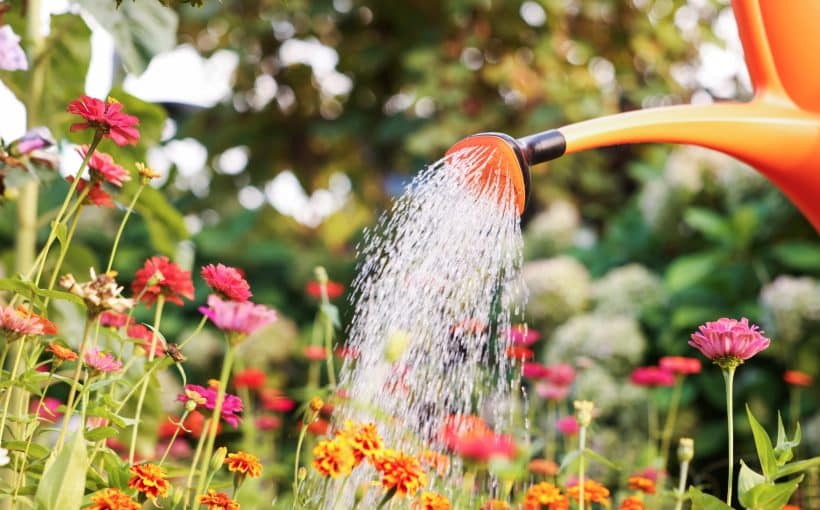
Spring and early summer rain showers may lead homeowners to assume their landscapes are getting all the hydration they need. Yet, the reality is a bit more complicated; what can look like sufficient watering often falls short of what plants truly need to be healthy.
Rain showers alone don’t always equate to adequate soil moisture. Dry spells can develop quickly, creating tough conditions for your garden to flourish during this key season. Your plants may have already been struggling beneath the surface by the time signs of stress become visible.
Why Your Spring Garden Might be Struggling
Inconsistent rainfall this spring has created subtle but impactful dry conditions across many areas. While it may not be an official drought, the lack of steady moisture can still affect plant health, especially for newer installations.
If your garden isn’t performing as expected, there’s a high chance it’s due to dry conditions this spring and inadequate watering last fall. After emergence from dormancy, plants direct their energy into growing new stems, foliage, and roots. This period leaves the plant increasingly vulnerable to stress, which even mild dry spells and inconsistent weather patterns can create.
New installations are particularly susceptible. Lacking the hardy, well-developed root systems that established plants have, new plants depend highly on consistent watering to grow. Even young plants can still be in a transitional period where additional care is necessary for long-term survival.
Fall watering also plays a larger role than many homeowners realize. Plants focus on storing energy and establishing roots during the cooler months. If watering needs aren’t met during this critical period, they enter spring already at a disadvantage.
Smart Watering Practices for Spring
Pay attention to more than just the forecast.
Weather predictions can be informative and helpful for planning ahead, but plants respond to real-time conditions. Rain won’t always amount to sufficient watering, so it’s crucial to monitor your garden’s conditions directly.
Checking your plants’ soil moisture gives a true indication of the weather’s impact. For a more accurate understanding, consider using a rain gauge. Examine the gauge at the same time daily to see the exact amount of rainfall your landscape received, and empty the gauge on the same day every week.
Additionally, rain water run-off from gutters, slopes, and drainage can influence watering needs and plant care. Be mindful of how your property’s unique features affect the way water is distributed across your landscape.
Create a consistent watering routine.
Maintaining a healthy garden starts with a thoughtful approach. The watering needs of your plants depend on the season, plant type, and the age of the plant. Established plants are able to last much longer without watering, while younger trees, shrubs, and perennials require more frequent attention.
All landscapes are different, but it is generally considered best practice to water deeply, not daily. This allows water to reach the entire root system, promoting deeper root growth and improving long-term resilience.
Be proactive.
Being proactive means doing the right thing for your landscape at the right time. Reacting appropriately to an unhappy garden begins with the ability to recognize when your plants signal they need help.
Symptoms of drought stress often start on the outer parts of a plant and begin showing at the top before spreading downward. Symptoms to look out for include:
- Wilting or drooping
- Yellow or brown foliage
- Leaves that curling or fold inward
- Easily crumbled or brittle textured leaves
Remember that visible issues are likely a culmination of earlier stress intensified by the current dry spell conditions. The present struggle seen in your garden may have started weeks or even months ago.
Catching and addressing the signs early makes a significant difference in recovery, but being proactive is also preparing for potential challenges before your plants, and you, pay the price. A proactive gardening approach includes seasonal awareness, intentional planning and design, routine maintenance, and expert guidance.
Conquer the Spring Season
Don’t let a sneaky dry spell defeat your garden. Even though dry periods can leave an unexpected impact on plant health, most gardens will bounce back with the proper attention and smart watering practices. Staying aware of conditions, adjusting your watering routine as needed, and proactively caring for your garden helps foster an environment for your plants to thrive.
A flourishing garden isn’t a happenstance. It’s the result of informed and steady attention. When you intentionally listen, understand, and respond to the needs your plants present, your garden will also respond – with vibrant growth and the resilience to beautifully bloom through spring and beyond.
Love your garden. We do.
Spotts Garden Service has been Indianapolis homeowners’ trusted garden team for over 20 years. We’re more than just gardeners. We’re designers, arborists, horticulturists, chemical technicians, and conservators. With a focus on creating beautiful, personal outdoor spaces that are functional and sustainable, Spotts Garden Service provides:
- Expert garden care; including technical pruning
- Garden design and installation
- Seasonal property clean-ups
- Year-round maintenance
- Garden planning and consulting
- Garden coaching
- Invasive removal with chemical intervention
- Residential and commercial annuals; containers and in-ground